
Maximize ROI on Your Luxury Rental: Smarter Maintenance, Better Revenue
Published June 2, 2025
Managing a luxury rental is a balancing act. Spend too much on upkeep and your margins suffer. Spend too little and guests notice, which can hurt your reputation. The key is finding the sweet spot where maintenance supports your revenue goals without cutting into them.
In high-end vacation rentals, expectations are sky-high. Guests notice everything. A scratched floor or a lukewarm shower can mean the difference between a glowing five-star review and a lost repeat customer. That doesn’t mean overspending. It means investing strategically.
In this guide, we’ll show you how to align your maintenance strategy with pricing, seasonality, and occupancy trends. The result? A more profitable rental that delivers exceptional experiences for your guests and stronger returns for you.
Why Maintenance and Revenue Must Work Together
Every dollar you spend on maintenance should either improve the guest experience or help you earn more income. In luxury rentals, that connection is especially important. Clean design, seamless functionality, and premium touches help you justify higher rates and attract return guests.
Poorly managed maintenance, on the other hand, leads to unexpected costs, unhappy reviews, and avoidable vacancies. Smart owners treat maintenance not as overhead, but as an investment in long-term performance.
Step 1: Stay Ahead with Preventative Maintenance
Preventative maintenance protects your margins and your reputation. Catching small issues early helps you avoid big repair bills later—and keeps guests comfortable and impressed.
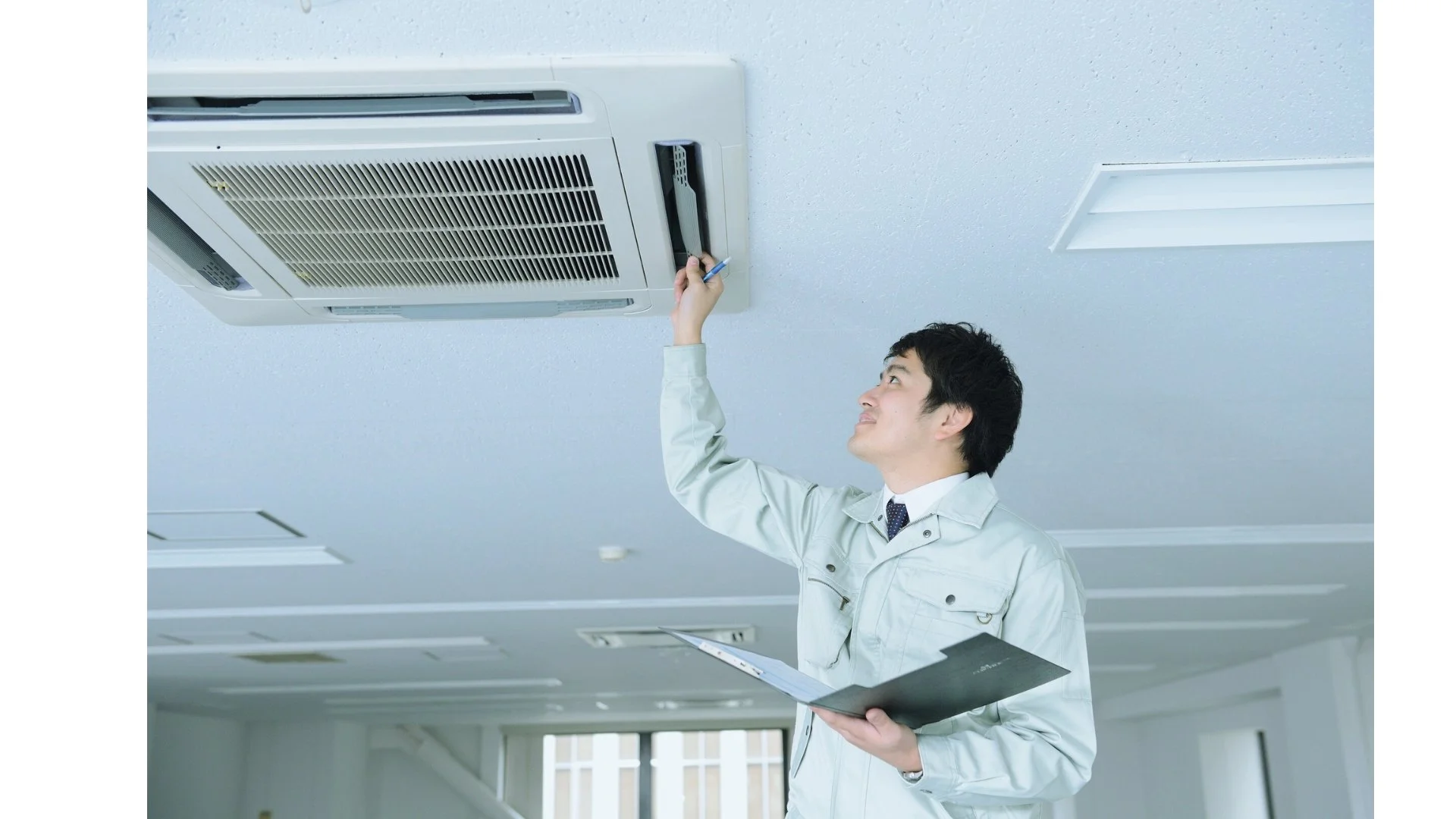
For example, a $300 HVAC tune-up today could prevent a $5,000 breakdown during the hottest week of the summer. Routine updates like smart locks or water-saving appliances also boost efficiency and guest satisfaction.
How to make this work:
Schedule professional property checkups twice a year
Use each inspection to update your to-do list and plan upcoming projects
Invest in upgrades that improve both durability and design, such as modern lighting, better air circulation, or professional blackout shades
Step 2: Align Maintenance with Seasonal Pricing
Your pricing strategy should shape your maintenance calendar. During peak seasons, your rental needs to be flawless. That’s when guests are paying premium rates and expecting a premium experience.
In slower months, use the downtime for repairs, updates, or deep cleaning that would be disruptive if done while guests were present.
How to make this work:
Track your seasonal booking trends to anticipate when demand will be highest
Prioritize guest-facing improvements before holidays or peak months
Tackle back-end maintenance, like plumbing or paint touchups, during quieter periods
Step 3: Use Occupancy Data to Guide Smart Spending
Let your booking data inform your spending decisions. When your calendar is nearly full, it makes sense to allocate more toward visual upgrades and elevated guest touches. These details help reinforce your premium pricing.
When occupancy dips, focus instead on maintenance that supports long-term property health. This approach helps you avoid overextending your budget when revenue is slower.
How to make this work:
Use occupancy reports to forecast low and high seasons
Adjust your maintenance budget to match expected income
Rotate in larger infrastructure updates during lower occupancy periods
Know When to Spend and When to Save
The goal isn’t to spend less—it’s to spend wisely. Luxury travelers want more than just a place to stay. They want style, comfort, and attention to detail. Focus your spending on the things that directly enhance their stay, and trim back in areas that don’t impact the guest experience.
Final Thoughts
Maintenance planning should be strategic, not reactive. When your maintenance costs are aligned with your pricing strategy and your property’s actual performance, you’ll increase profits, earn better reviews, and attract repeat guests.
At Luxart, we help luxury property owners run more profitable, well-managed rentals. Bookmark this guide and use it as a reference the next time you’re planning property updates. With the right strategy, you can protect your investment and deliver five-star experiences every time.